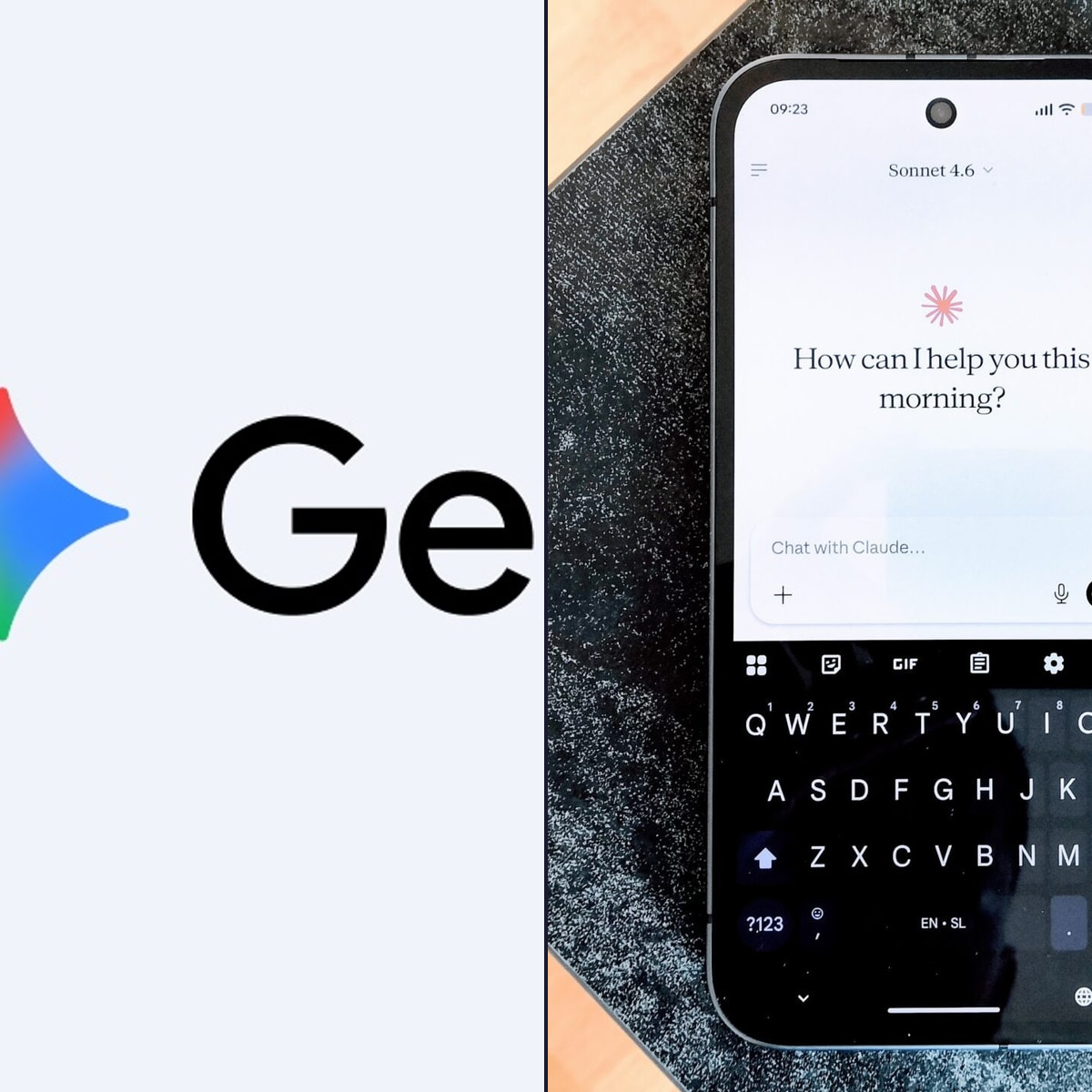
A new first-person comparison from Android Authority has put a familiar question back in focus: if someone pays for Gemini, ChatGPT and Claude, which AI assistant actually becomes the daily default?
The answer in that review was Claude. But that does not mean Claude is automatically the best AI tool for everyone. The more useful lesson is about friction: people tend to keep using the AI assistant that understands their workflow with the least repeated prompting.
What happened
Android Authority published an article on May 18, 2026 by Shimul Sood comparing paid use of Gemini, ChatGPT and Claude. The writer said that after paying for all three premium AI tools, Claude became the one they returned to most often.
The article’s main reason was not only raw model performance. The writer said Claude felt easier to use because it often gave clearer responses, required fewer prompt corrections and was better at pausing to ask questions when something was unclear.
The review also highlighted Claude Cowork, Dispatch, Artifacts and Claude Code as features that made Claude feel more like a practical assistant for repetitive tasks and creative work. The writer said ChatGPT and Gemini were still strong tools, but Claude felt less mentally tiring for their own day-to-day workflow.
The bigger picture
The comparison matters because AI subscriptions are becoming harder to judge by price alone. ChatGPT Plus, Google AI Pro and Claude Pro sit in roughly the same consumer subscription category, but they are not trying to solve every problem in the same way.
OpenAI lists ChatGPT Plus at $20 a month and describes it as adding advanced reasoning, expanded uploads, deeper research, memory, projects, tasks and custom GPTs. OpenAI’s Pro tier now starts at a higher level for users who want substantially more usage and access to stronger pro features.
Google’s Gemini subscription lineup is tied closely to Google services. Google AI Plus and Pro add more Gemini access, NotebookLM benefits, Google Flow credits and cloud storage, while Google AI Ultra is aimed at users who need much higher limits and premium Google ecosystem benefits.
Anthropic lists Claude Pro at $20 monthly, or $17 a month with an annual subscription. Claude Max starts at $100 a month and offers much higher usage than Pro. Claude’s pricing page also lists Claude Code, Claude Cowork, projects, research and Microsoft 365-related features as part of the paid Claude experience.
Why this may be happening
One possible reason Claude won this reviewer’s loyalty is that AI tools are judged less by benchmark scores once people use them every day. A tool can be powerful and still feel annoying if it regularly misunderstands a request, rushes through unclear instructions or forces the user to rewrite prompts several times.
Claude’s perceived advantage in the Android Authority article was that it seemed to reduce those small moments of friction. In the writer’s use case, Claude appeared more willing to clarify before continuing, while Cowork and Dispatch helped move repetitive tasks into the background.
This also points to a wider shift in AI products. The competition is no longer only about answering questions. Companies are trying to turn AI assistants into work companions that can search, write, code, organize files, schedule tasks, create media, analyze documents and connect with other apps.
That is why user preference can vary so much. A writer may prefer Claude’s tone and project handling. A spreadsheet-heavy worker may prefer ChatGPT’s data and app features. A Google Workspace user may prefer Gemini because it sits closer to Gmail, Docs, Drive, Search and NotebookLM.
What it means
For readers, the key takeaway is not that one AI assistant has permanently defeated the others. The more practical takeaway is that the “best” paid AI tool depends on the job.
Claude may be a strong fit for users who value careful wording, long-form drafting, project organization, coding assistance and a conversational style that asks follow-up questions when needed. The Android Authority review suggests this can matter more than a small difference in monthly price.
ChatGPT may be a strong fit for users who want a broad general-purpose assistant with many tools in one place, including research, image generation, coding, data analysis, apps, tasks, projects and custom GPTs. OpenAI’s plan pages position Plus as the mainstream paid tier and Pro as the heavier-use tier.
Gemini may be a strong fit for users already living inside Google’s ecosystem. Its value can come from Gemini integration with Google apps, NotebookLM, storage, Search-related features and creative tools such as Google Flow. For some users, those ecosystem benefits may outweigh the feel of the chatbot alone.
The smartest approach is to test the same real tasks across different assistants before paying for several plans at once. A user should compare how often the tool misunderstands them, how much editing is needed, whether limits get in the way and whether the included extras replace tools they already pay for.
What is still unclear
- The Android Authority article is one reviewer’s experience, not a scientific benchmark across all users or task types.
- AI assistant quality can change quickly as models, limits and features are updated.
- Feature availability varies by country, device, language, account type and rollout schedule.
- Pricing and usage limits can change, especially as AI companies introduce more high-end tiers.
- It is not yet clear which assistant will feel most reliable for every workflow, because users value different things.
Final takeaway
The Android Authority comparison is useful because it focuses on everyday friction rather than only specs. Claude won in that reviewer’s workflow because it felt easier to guide, better at handling repetitive tasks and less likely to require constant correction.
Still, the right choice is personal. Claude, ChatGPT and Gemini all have clear strengths. The best AI subscription is the one that saves the most time on the user’s real tasks, not the one that wins a headline comparison.
Sources / references
- Android Authority: I pay for Gemini, ChatGPT, and Claude — and there’s a clear winner.
- OpenAI Help Center: What is ChatGPT Plus?
- OpenAI Help Center: About ChatGPT Pro tiers.
- ChatGPT pricing page: Free, Go, Plus, Pro, Business and Enterprise plans.
- Google Gemini subscriptions page: Google AI Pro and Ultra plan details.
- Google Gemini Apps Help: limits and upgrades for Google AI subscribers.
- Claude pricing page: Free, Pro, Max, Team and Enterprise plans.