A Utah court ruling in the case against Tyler Robinson, the man accused of killing conservative activist Charlie Kirk, is about more than cameras. It shows how courts try to balance public access with a defendant’s right to a fair trial in a case drawing intense national attention.
What happened
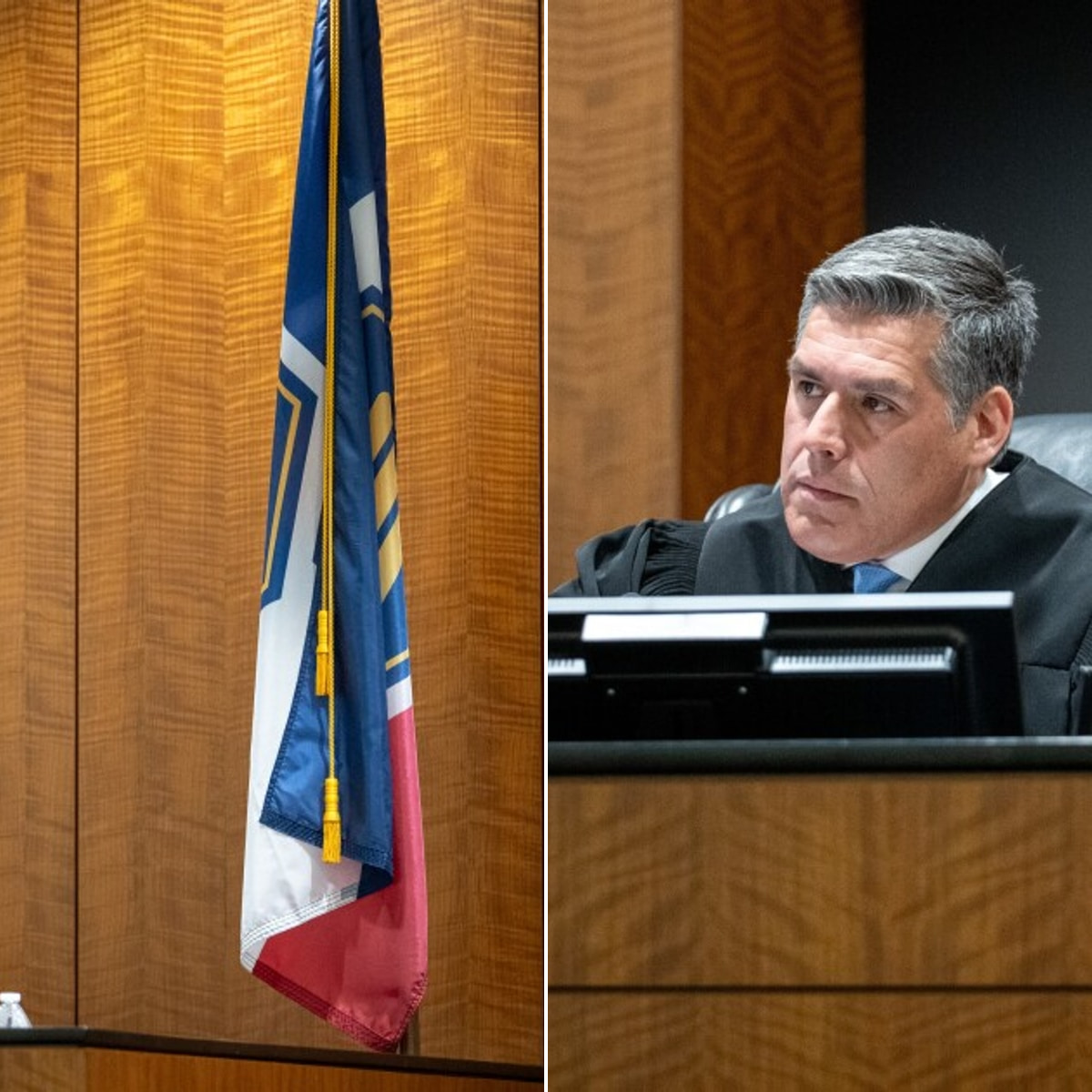
Fourth District Judge Tony Graf Jr. declined to impose a blanket ban on cameras and electronic media coverage in courtroom proceedings tied to Robinson’s case. Coverage requests will continue to be reviewed case by case.
The judge also postponed Robinson’s preliminary hearing from mid-May to July 6-10. At that hearing, prosecutors must show enough evidence for the case to proceed toward trial.
Robinson, 23, is charged with crimes including aggravated murder in the Sept. 10 killing of Kirk at Utah Valley University in Orem, Utah. Prosecutors have said they plan to seek the death penalty if he is convicted. Robinson has not entered a plea, according to Associated Press reporting.
The bigger picture
The ruling sits at the center of a familiar legal tension: open courts versus fair-trial protections. Media organizations, prosecutors, and Kirk’s widow argued that courtroom access helps the public observe the justice system and can reduce misinformation. Robinson’s defense argued that broadcasts and online commentary could influence potential jurors before trial.
Utah courts provide formal media resources and rules for electronic media coverage of court proceedings. Those rules allow judges to manage access and impose limits when needed to protect fairness, privacy, safety, courtroom order, and the administration of justice.
Why this may be happening
The defense appears focused on pretrial publicity. In a high-profile case, even ordinary courtroom images can be interpreted online as evidence of attitude, remorse, or guilt, even though such reactions may not prove anything legally.
On the other side, supporters of camera access argue that public visibility can make court proceedings easier to scrutinize. In politically charged cases, transparency may also help reduce rumors by letting people see what happens in court rather than relying only on commentary.
The judge’s approach appears to be a middle path: no total ban, but continued control over where cameras are placed, what they show, and how individual coverage requests are handled.
What it means
The ruling does not decide whether Robinson is guilty. It only decides, for now, how public and media access will be handled as the case moves forward.
The delayed July preliminary hearing is important because it is expected to include the most detailed public presentation of evidence so far. Prosecutors have said they plan to introduce forensic analyses, surveillance video, witness material, autopsy findings, and alleged messages. Defense attorneys have sought to limit public access to some exhibits, arguing that some material could prejudice a future jury pool.
That means the next phase of the case may focus not only on evidence, but also on how much of that evidence the public can see before trial.
What is still unclear
- Whether the court will restrict access to specific evidence or parts of the July preliminary hearing.
- Which evidence will ultimately be admitted at trial, if the case proceeds that far.
- How the judge will manage media coverage if online commentary continues to grow.
- Whether future defense motions will change the public-access rules again.
- When Robinson will enter a plea and when any trial may begin.
Final takeaway
The camera ruling is a procedural decision, but it matters because it shapes how the public sees one of the most closely watched criminal cases in the United States. The judge has kept courtroom visibility in place while leaving room for tighter limits if specific evidence or coverage risks are shown later.
Sources / references
- Courthouse News Service: Judge in Charlie Kirk case won’t forbid cameras from courtroom, May 8, 2026.
- Associated Press: Judge rejects request to ban courtroom cameras from man charged in Charlie Kirk’s killing, May 8, 2026.
- KUER: Utah judge in Charlie Kirk case rejects defense’s call to ban courtroom cameras, May 8, 2026.
- Reuters: Utah judge rejects bid to ban TV in Kirk case, delays hearing, May 8, 2026.
- Associated Press: Lawyers for the man accused of killing Charlie Kirk ask to seal evidence and parts of a key hearing, May 19, 2026.
- Utah State Courts: Media resources and Rule 4-401.01 electronic media coverage information.