News

Press Robinson warns of wipeout after Voting Rights Act ruling
Civil-rights veteran Press Robinson fears decades of Black political gains could unravel after the Supreme Court’s April 29 ruling in Louisiana v. Callais, which narrows Section 2 of the Voting Rights Act and has already paused Louisiana’s House primaries.
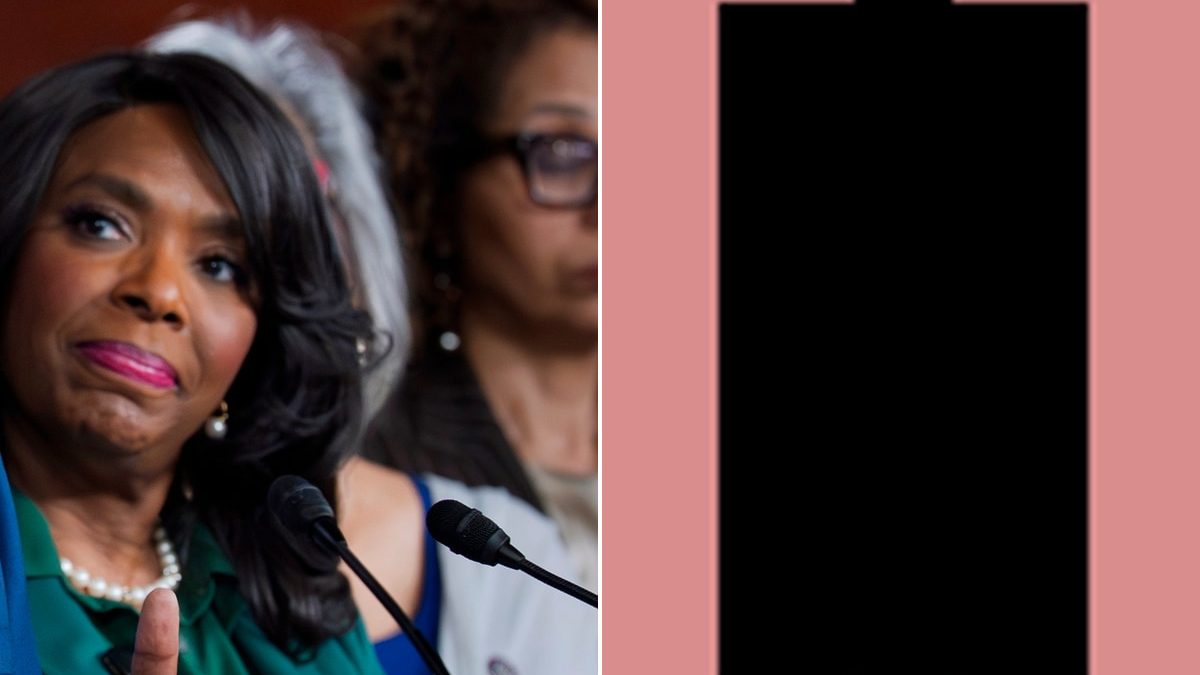
Press Robinson spent six decades organizing, suing and running for office to open up Southern politics to Black voters. After a new Supreme Court ruling, he worries much of that progress could vanish.
What happened
- On April 29, 2026, the Supreme Court ruled 6–3 in Louisiana v. Callais that Louisiana’s map creating a second majority-Black U.S. House district was an unconstitutional racial gerrymander. The majority opinion, by Justice Samuel Alito, also makes it harder to win future Section 2 Voting Rights Act cases.
- Louisiana officials quickly suspended congressional primaries to redraw maps, injecting uncertainty weeks before voting was set to begin.
- Press Robinson, an 88-year-old Baton Rouge civil-rights leader and lead plaintiff in the long-running Louisiana VRA case, told The Washington Post the decision could erase key gains won since the 1960s.
The bigger picture
- Section 2 has for decades been the main tool used to create or preserve “opportunity districts” where minority voters can elect preferred candidates. It was central to earlier rulings that let Louisiana use a map with two majority-Black districts for the 2024 elections, when Democrat Cleo Fields won one of those seats.
- NPR’s analysis warns the new ruling could set up the largest modern-era drop in Black representation in Congress, with ripple effects across southern states and at local levels.
Why this may be happening
- The Court emphasized that redistricting cannot rely predominantly on race unless narrowly tailored to a compelling interest. By reframing how Section 2 should be applied, the majority signaled that proving unlawful vote dilution now requires stricter showings that disentangle race from partisan politics.
- States may argue that partisan goals (such as protecting incumbents) explain district lines, while plaintiffs face higher burdens to prove maps deny equal electoral opportunity.
What it means
- Near term: Election calendars may shift, and voters could face changes to districts close to primary dates in Louisiana and possibly elsewhere.
- Medium term: Republican-led legislatures are likely to revisit maps that had concentrated Black and Latino voters; some Democratic-led states may respond with their own strategic redraws. The net effect could reduce the number of districts where Black voters can reliably elect preferred candidates.
- Local impact: Experts note the biggest effects of Section 2 historically were on city councils, school boards and county commissions. Those offices may now be harder to win for minority candidates under new legal standards.
What is still unclear
- How many congressional and state legislative seats will change hands because of the decision—and when.
- Whether Congress will attempt to update the Voting Rights Act to restore prior standards.
- How lower courts will apply the ruling to ongoing and future cases beyond Louisiana.
- Whether additional litigation will reinstate or block accelerated redrawing before the 2026 midterms.
Final takeaway
- Robinson’s story tracks the rise of Black political power since 1965—and why this ruling feels like an inflection point. With Section 2 narrowed and primaries already paused in Louisiana, the fight over who gets a fair chance to elect preferred candidates is entering a new, more restrictive phase.
Sources / references
- The Washington Post: He spent 60 years building Black political power. He sees a wipeout coming. (May 3, 2026)
- LII/Cornell: Louisiana v. Callais, Nos. 24–109 & 24–110 (Apr. 29, 2026) – Opinion by Justice Alito
- NPR: Supreme Court paves the way for largest-ever drop in Black representation (Apr. 30, 2026)
- AP: Louisiana congressional primaries suspended after ruling (Apr. 30, 2026)
- ACLU: Background on Robinson v. Ardoin (June 26, 2023 release)
- PBS/AP: Cleo Fields wins Louisiana’s newly configured district (Nov. 11, 2024)