News

NYT video analysis: Did the WHCD suspect fire first? What the footage shows
New FBI footage, synced with ballroom audio and analyzed by the New York Times, suggests the WHCD suspect fired first at a Secret Service officer. Here’s what the video clarifies—and what remains uncertain as the investigation continues.
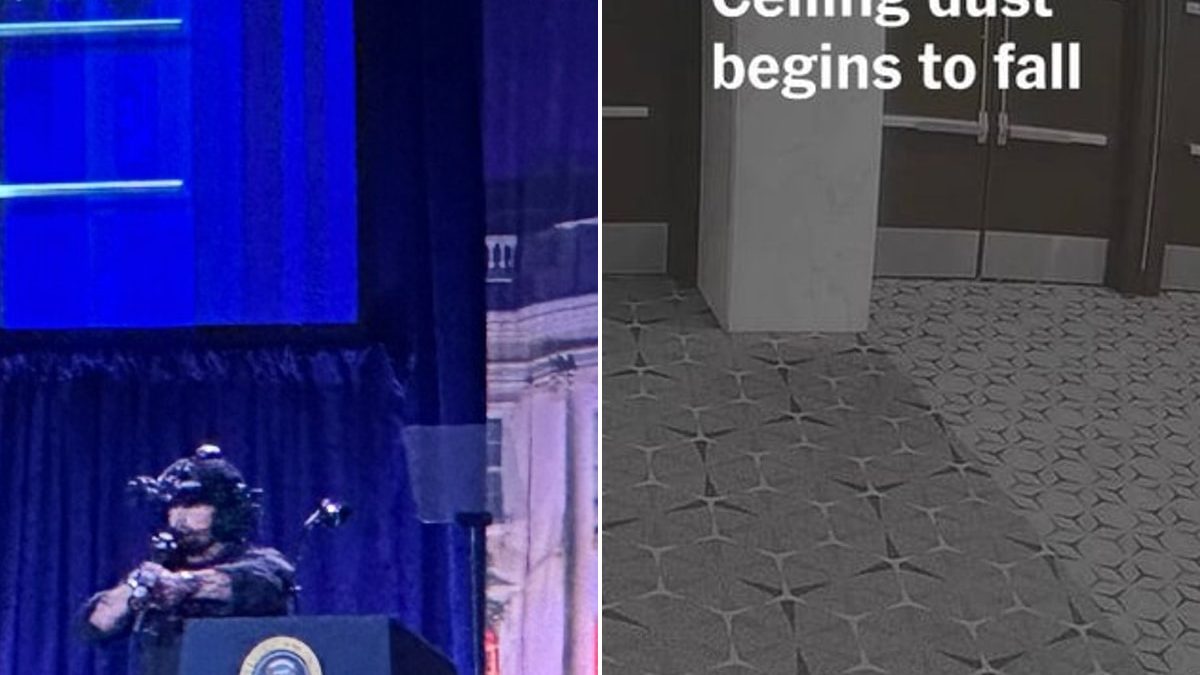
Newly released surveillance footage and synchronized audio offer the clearest view yet of the seconds that jolted the White House Correspondents’ Dinner in Washington, D.C., on April 25, 2026. A New York Times analysis of the material suggests the suspect fired first at a Secret Service officer — but officials say the full ballistics work is still ongoing.
What happened
- On April 25, 2026, a man identified by authorities as Cole Tomas Allen, 31, sprinted through a Secret Service checkpoint at the Washington Hilton during the White House Correspondents’ Dinner. He carried a shotgun and other weapons, according to charging documents and reporting. Allen was subdued near a staircase leading to the ballroom; he was not struck by gunfire, officials said.
- Authorities say a Secret Service officer was hit in the vest by a round during the brief exchange and was treated and released. Early accounts varied on precisely who fired the round that struck the officer.
- On April 30, federal prosecutors released higher-resolution surveillance video, and on May 1 the U.S. attorney for D.C. posted extended footage on social media.
- On May 2, the New York Times published a frame-by-frame review that synchronized the silent hallway video with audio captured inside the ballroom. The analysis argues the suspect fired a shotgun a split second before the officer’s return fire.
The bigger picture
- The clearer video and audio context address confusion created by a grainier clip first shared the night of the incident. Higher-quality footage makes it easier to parse movements, muzzle flashes and the rapid timing of shots.
- The findings feed into a live criminal case in which prosecutors have charged Allen with attempting to assassinate the president and two related firearms offenses. What investigators conclude about who fired when could shape future filings, defenses and any additional charges.
Why this may be happening
- In fast-moving attacks, early details often conflict. Initial affidavits emphasized a “loud gunshot” as Allen ran through the checkpoint. Later filings stressed that analysis and ballistics work were not complete, even as officials released clearer video.
- Video forensics can reveal details the eye misses. Reporters and experts noted telltale cues — like dust falling from ceiling fixtures and synchronized waveforms from ballroom recordings — that can indicate the sequence of shots even when a muzzle flash is not clearly visible.
What it means
- If prosecutors ultimately conclude the suspect fired first, it could reinforce the government’s theory of intent and support charges already filed. It also informs training and after-action reviews around checkpoint posture and lines of fire in crowded venues.
- For the public, transparent releases — and independent reviews by credible newsrooms — can counter unsupported claims circulating online about what the videos do or do not show.
What is still unclear
- Ballistics: Investigators have not publicly released final testing that definitively attributes the round that struck the officer.
- Shot count and trajectories: Exact tallies and paths are still being reconciled across multiple recordings and physical evidence.
- Potential additional charges: Officials have said more charges are possible, but no decisions have been announced beyond the initial counts.
Final takeaway
- New, higher-resolution footage — paired with ballroom audio — appears to show the WHCD suspect fired first, according to the New York Times’ analysis. Prosecutors also point to evidence the gunman fired. Still, key questions await final forensic confirmation. Treat early interpretations with caution until investigators complete their work.