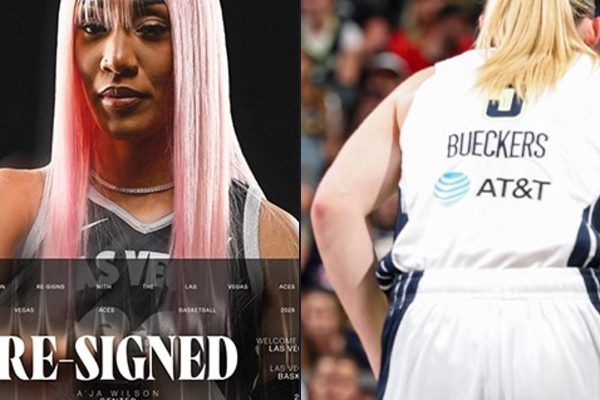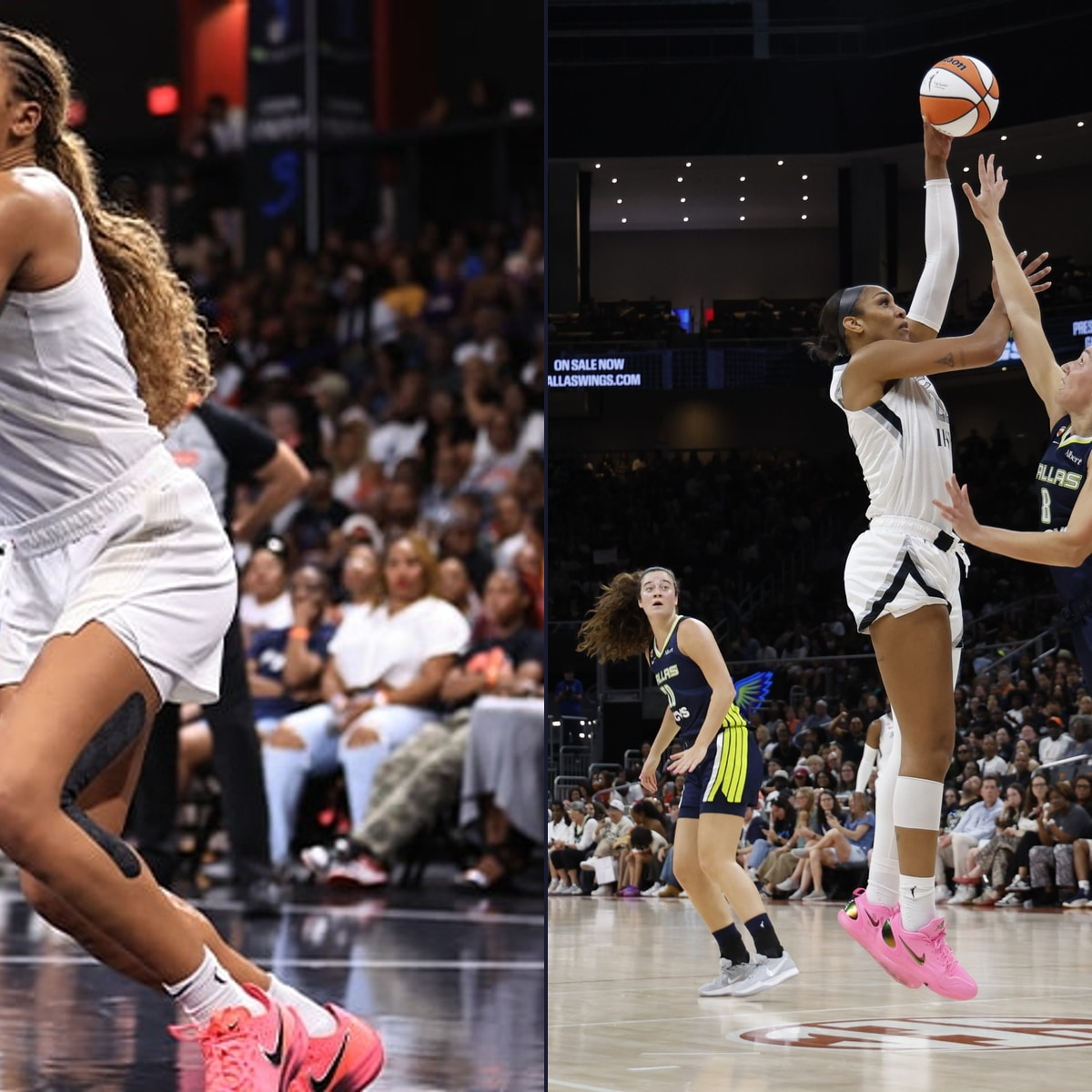
The 2026 WNBA season opened with more than championship expectations. It opened with new expansion teams, a new labor deal, bigger salaries, changing media coverage and several teams trying to turn roster churn into real contention.
Defector’s season preview did not simply rank all 15 teams. Instead, it used players and coaches as entry points into the bigger questions of the season: Can the Aces keep winning? Can Caitlin Clark stay healthy and diversify Indiana’s offense? Can expansion teams survive the early grind? Can the league’s new money and new rules change how teams build?
What happened
Defector published Maitreyi Anantharaman’s 2026 WNBA preview on 8 May, the day the season began. The article, titled “Role Players, Ring Chasers, And A Shadow GM: Your Guide To The 2026 WNBA Season,” framed the season through storylines rather than a traditional team-by-team preview.
The preview highlighted Napheesa Collier’s recovery and Minnesota’s roster losses, Kiah Stokes’s larger role with the Golden State Valkyries, Satou Sabally’s fit with the New York Liberty, Courtney Vandersloot’s influence in Chicago, Ezi Magbegor’s new veteran responsibility in Seattle, Chennedy Carter’s bench role in Las Vegas, Alanna Smith’s importance to Dallas, Alex Sarama’s challenge with the Portland Fire, and Caitlin Clark’s need to stay fresh in Indiana.
The article also explained the broader viewing landscape, noting national broadcast windows across ABC/ESPN, NBC/Peacock, CBS, Prime Video, USA Network and ION, with other games available through WNBA League Pass.
The season has already produced a more open early table than a simple preseason hierarchy would suggest. As of 25 May, the official standings showed Atlanta at 4-1, Indiana at 4-2, Minnesota at 4-2, Las Vegas at 4-2, Golden State at 3-2, and several teams clustered around .500.
The bigger picture
The 2026 season is the WNBA’s 30th season, and it is happening during one of the league’s biggest growth periods. The league expanded to 15 teams with the addition of the Portland Fire and Toronto Tempo. The WNBA has also announced future expansion to Cleveland, Detroit and Philadelphia in later years.
The new collective bargaining agreement is central to the season’s meaning. The WNBA and WNBPA announced a seven-year CBA running from 2026 through 2032. The league said the 2026 salary cap would rise to $7 million, up from $1.5 million in 2025, with maximum salaries at $1.4 million, average salary expected at $583,000, and minimum salaries ranging from $270,000 to $300,000 based on years of service.
That changes the competitive environment. Higher pay can help teams retain more players, reduce off-season overseas pressure, improve roster stability and make bench depth more valuable. It also raises expectations for facilities, staffing, travel and player experience.
On the court, the league is also balancing two eras at once. A’ja Wilson and Las Vegas remain the defending standard. New York, Indiana, Atlanta, Dallas and Minnesota all have plausible reasons to think bigger. Meanwhile, rookies and young stars such as Paige Bueckers, Caitlin Clark, Olivia Miles, Awa Fam and others are pushing the league toward a faster guard-driven future.
Why this may be happening
One reason the season feels so crowded with storylines is roster movement. The WNBA’s official offseason power rankings described a compressed period that included the expansion draft, free agency and the 2026 draft in less than two weeks. That kind of movement forces teams to solve chemistry quickly.
Defector’s preview focused heavily on role clarity because role players may decide several teams’ ceilings. Golden State, for example, lost Iliana Rupert for the season because of pregnancy, increasing pressure on Stokes to provide enough offense around a defensive skill set. Dallas added Alanna Smith and Jessica Shepard to stabilize a frontcourt around Paige Bueckers and its guard talent.
Health is another major reason. Collier’s ankle recovery affects Minnesota’s timeline. Clark played only 13 games in 2025 because of injuries, according to Defector, and Indiana’s ability to reduce her on-ball burden may determine whether the Fever can sustain a deep run. New York opened the season managing injuries around Sabally and other rotation players.
Expansion also affects the league’s texture. Portland and Toronto are not simply new logos. They are testing how quickly new teams can build an identity in a league where talent is deepening but chemistry remains hard to manufacture.
What it means
For fans, the season is harder to summarize than “Aces versus everyone.” Las Vegas is still the benchmark, but the early standings show several teams starting well. Atlanta’s 4-1 start, Indiana’s strong opening, Minnesota’s resilience and Golden State’s early position all suggest that the season may have more layers than expected.
For Indiana, the Clark storyline remains central but not simple. The key is not only whether she scores or draws viewers. It is whether the Fever can use her off the ball, protect her body over a longer season and build an offense that is less predictable.
For Dallas, the question is whether the Bueckers-era Wings can become more than a fun guard team. Adding Smith and Shepard gives the Wings a chance to defend better and raise their floor, which is why Defector treated the frontcourt as a turning point.
For Las Vegas, the Carter storyline reflects the larger problem facing great teams: how to manage minutes, maintain depth and keep the bench productive across a longer schedule. The Aces have Wilson, but even dynasties need functional second units.
For the league, the season is a business and cultural test. More national games, a stronger CBA, expansion markets and rising interest all raise the stakes. Growth now has to translate into better broadcasts, better facilities, competitive balance and sustainable player support.
What is still unclear
- It is too early to know whether the first two weeks reflect real team quality or small-sample volatility.
- Collier’s recovery timeline and Minnesota’s ability to stay afloat without its full core remain important unknowns.
- Clark’s health and Indiana’s offensive balance will shape whether the Fever are a title threat or a high-interest playoff team.
- Portland and Toronto’s expansion paths are still developing, and early results may not predict their long-term direction.
- The new CBA’s full effect on roster-building, player rest and league economics will take more than one season to measure.
Final takeaway
Defector’s preview works because it treats the 2026 WNBA season as a set of connected questions, not just a standings prediction. The most interesting parts of the year may come from role players, recovering stars, new coaches, second-unit experiments and expansion-team growing pains.
The league is bigger, richer and more visible than it was a year ago. That does not make the season easier to read. It makes it more interesting. The 2026 WNBA is not only about who wins the title. It is about how a fast-growing league handles depth, money, visibility and pressure all at once.
Sources / references
- Defector: Role Players, Ring Chasers, And A Shadow GM: Your Guide To The 2026 WNBA Season.
- WNBA: 2026 WNBA Power Rankings — Offseason Moves.
- WNBA: WNBA and WNBPA reach tentative deal on historic collective bargaining agreement.
- WNBA: Official standings page, checked 25 May 2026.
- The Guardian: WNBA 2026 predictions — will anyone stop the Aces in the league’s 30th season?
- The Ringer: 13 WNBA predictions we actually believe for 2026.
- SB Nation: Kelsey Plum is doing exactly what she set out to do.
- New York Post: Wings spoil Sabrina Ionescu’s season debut in Liberty loss.