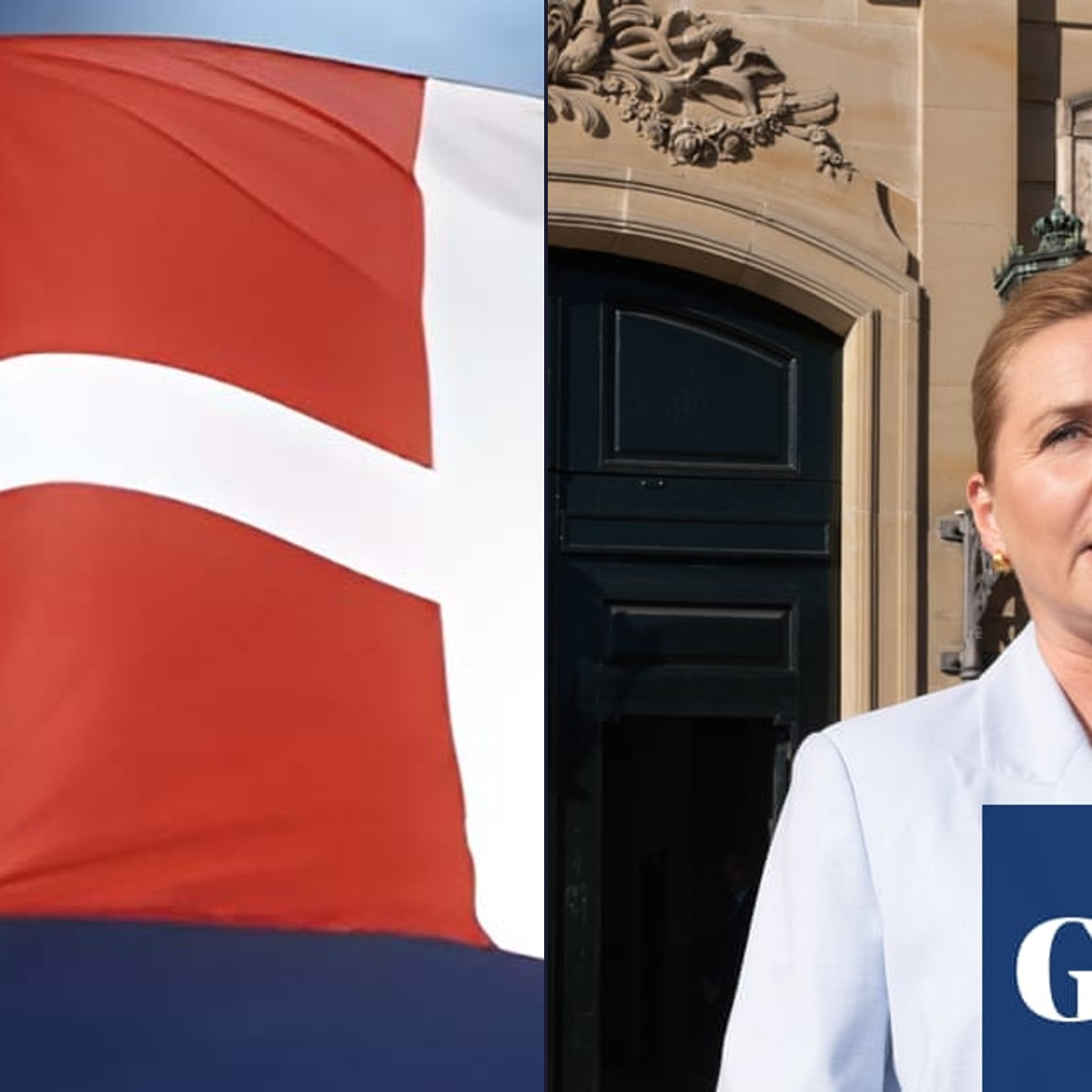
Denmark’s post-election politics have become unusually uncertain. Prime Minister Mette Frederiksen’s Social Democrats remained the largest party after the March 2026 election, but they suffered their weakest result in more than a century and could not quickly form a stable government.
The New York Times article focused on a striking possibility: Denmark, long led by Frederiksen and known for broad consensus politics, could move toward a right-wing government. Since then, the situation has shifted again. A centre-right attempt to form a government also collapsed, and Frederiksen has been given another chance to negotiate.
What happened
Denmark held a snap general election on 24 March 2026. The Social Democrats won the most seats, but only 38 out of 179, down from 50 in 2022. Reuters reported that this was the party’s worst election result since 1903.
The election produced a fragmented parliament with 12 parties and no clear majority. The Robert Schuman Foundation reported that the red bloc won 84 seats, the blue bloc won 77, and 90 seats are needed for a majority. The Moderates, led by former prime minister Lars Løkke Rasmussen, won 14 seats and became a key kingmaker.
Frederiksen first tried to form a government but failed to secure enough support. The Guardian reported that King Frederik then asked centre-right Liberal Party leader Troels Lund Poulsen to try to form a government after Rasmussen left talks with Frederiksen and backed Poulsen’s effort.
That made a right-wing or centre-right government appear possible. However, Reuters reported on 22 May that Poulsen’s centre-right coalition talks broke down after he failed to secure support from Rasmussen’s Moderates.
On 23 May, Reuters reported that King Frederik asked caretaker prime minister Frederiksen to make a fresh attempt to form a government. That means the right-wing option has not disappeared, but the immediate path to it has become more complicated.
The bigger picture
The deadlock matters because Denmark’s political system usually depends on coalition-building and compromise. Minority governments are common, but they still need enough parliamentary support to pass budgets, manage foreign policy and respond to crises.
This election weakened the political centre. Frederiksen’s Social Democrats stayed first, but with a historically poor result. Venstre and the Moderates, the two other parties in her outgoing centrist coalition, also lost seats. Meanwhile, several parties on both the left and right gained ground.
The right also became more influential. The Guardian reported that the Danish People’s Party tripled its vote share to 9.1 percent. Immigration remained a central issue, and Denmark’s mainstream parties have already moved toward stricter immigration positions over several years.
The timing is also sensitive because Denmark is managing strained relations with the United States over Greenland. Reuters reported that the prolonged government talks have slowed decision-making at a time when Copenhagen is trying to resolve that diplomatic crisis.
Why this may be happening
One reason is voter frustration with domestic issues. The Robert Schuman Foundation noted that Frederiksen gained respect for her handling of international tensions over Greenland, but domestic discontent over issues such as taxes, welfare and immigration still hurt her party.
Another reason is coalition fatigue. Frederiksen’s previous government brought together the Social Democrats, Venstre and the Moderates across traditional bloc lines. That unusual centrist arrangement was meant to provide stability, but the 2026 result suggests voters punished the governing parties instead.
The rise of right-wing and anti-immigration parties also changed the bargaining math. Even if Frederiksen remained personally influential, the parliamentary numbers made it possible for the blue bloc and other right-leaning parties to argue that they should be allowed to try governing.
At the same time, the right is divided. Poulsen’s failed attempt shows that wanting a right-wing government is easier than building one. The Moderates’ support is crucial, and Rasmussen’s position between left and right gives him leverage over whichever side tries to govern.
What it means
For Frederiksen, the election was a serious blow but not necessarily the end of her leadership. She remains caretaker prime minister and has now been asked to make another attempt at forming a government.
For the right, the failed Poulsen talks show both opportunity and weakness. The right can plausibly claim momentum after the election, but it still has to bridge differences between liberals, conservatives, populists and centrists.
For the Moderates, the crisis confirms their role as kingmakers. Rasmussen’s party does not have the most seats, but without it, neither side has an easy path to a workable majority.
For Denmark, the bigger question is whether the country returns to a broad centrist compromise, moves toward a more clearly right-wing government, or remains stuck in prolonged negotiations. Any new government will have to manage domestic economic pressure, immigration politics, welfare expectations and foreign-policy tensions.
What is still unclear
- It is not yet clear whether Frederiksen can form a viable government after being given a fresh chance.
- A right-wing government remains possible, but Poulsen’s failed talks show that it is not straightforward.
- The Moderates’ final position remains crucial and could determine whether Denmark leans left, right or centrist.
- It is unclear how much policy the caretaker government can advance while negotiations continue.
- The long-term effect on Denmark’s immigration, welfare, tax and Greenland policy depends on the final coalition agreement.
Final takeaway
Denmark’s government crisis is not simply a story of left versus right. It is a story of fragmentation. Frederiksen’s party won the most seats but lost authority, the right gained a chance but could not immediately unite, and the Moderates became the pivot around which the next government may turn.
The safest conclusion is that Denmark is in a political transition. A right-wing government became plausible after Frederiksen’s first failure, but the collapse of centre-right talks shows that the path to power is still uncertain.
Sources / references
- New York Times: Denmark Frederiksen right-wing government article submitted by the user.
- Reuters: Denmark’s Frederiksen gets new chance to form government after centre-right talks fail.
- Reuters: Denmark’s centre-right coalition talks break down, prolonging political deadlock.
- The Guardian: Danish right-wing leader asked to form government after Frederiksen fails to form coalition.
- Robert Schuman Foundation: Mette Frederiksen takes the lead, but with no majority.
- The Guardian: Denmark election — far right has slowed under Frederiksen, but at what cost?
- Danish Parliament: Results of the Danish general election 2026.