A three-day Russia-Ukraine ceasefire announced by U.S. President Donald Trump briefly raised hopes for a pause in one of the world’s deadliest ongoing conflicts. But the deal was always limited: it covered only May 9 to May 11, included a proposed prisoner exchange, and did not resolve the deeper issues blocking a lasting peace.
The Yahoo article focused on Trump’s announcement that Russia and Ukraine had agreed to a short ceasefire. The larger story is about what temporary pauses can achieve, what they cannot achieve, and why prisoner exchanges may move forward even when peace talks remain stuck.
What happened
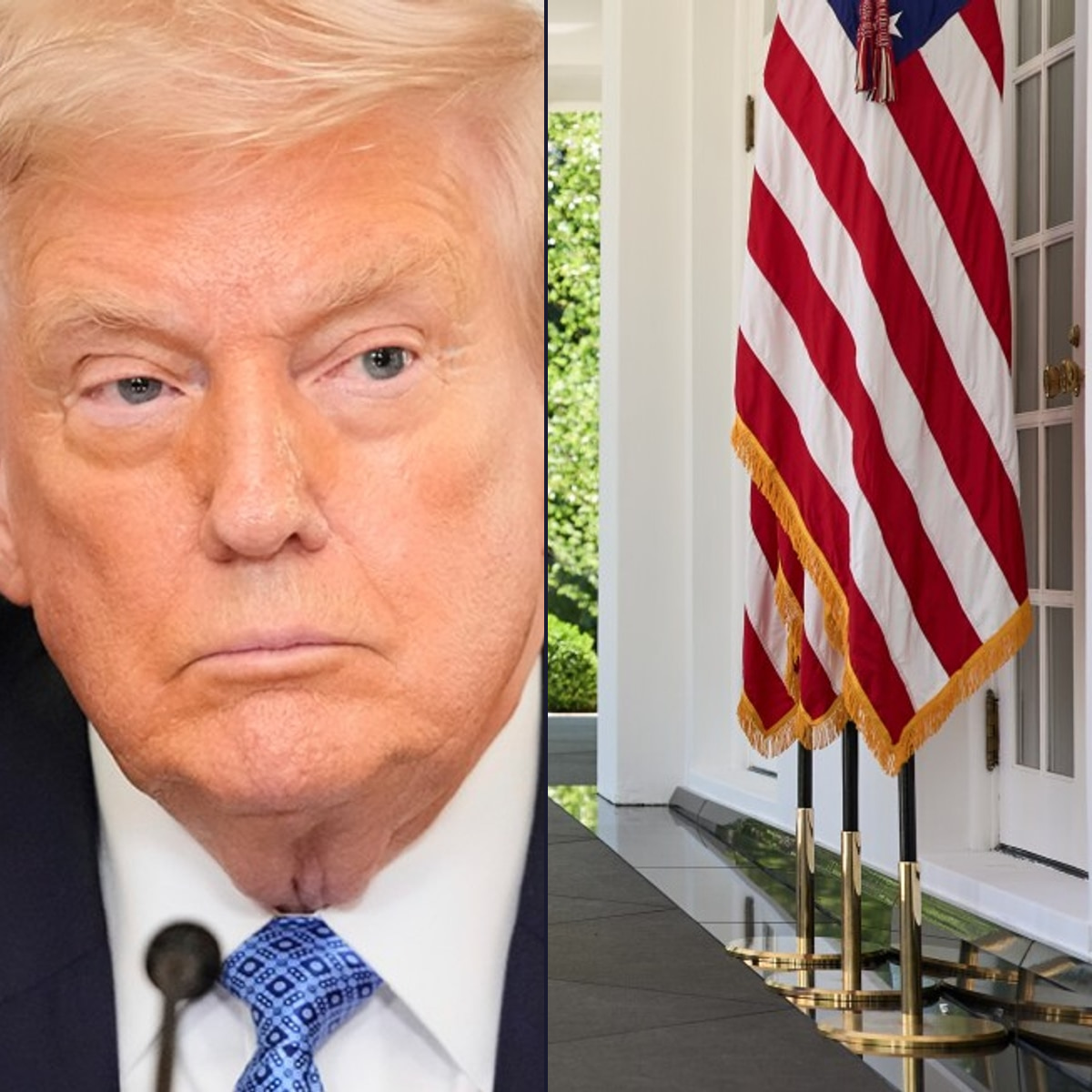
On 8 May 2026, Trump announced that there would be a three-day ceasefire in the war between Russia and Ukraine on 9, 10 and 11 May. The statement said the pause would include a suspension of kinetic military activity and a prisoner swap involving 1,000 prisoners from each country.
Reuters reported that Russia and Ukraine both confirmed agreement to the U.S.-brokered ceasefire. The timing coincided with Russia’s Victory Day commemorations, while Ukraine emphasized the humanitarian priority of returning prisoners of war.
Associated Press reported that Ukrainian President Volodymyr Zelenskyy and Yuri Ushakov, a foreign affairs adviser to Russian President Vladimir Putin, both confirmed the agreement. Trump described the ceasefire as a possible step toward ending the war, while the United Nations welcomed the announcement and repeated its call for a lasting ceasefire.
The pause began on 9 May. Reuters reported that many Ukrainians welcomed the break from attacks, but also noted that the Kremlin said a broader peace deal remained far away. Some drone activity was reported near the front line, but Reuters said Ukraine did not report overnight nationwide missile alerts into the start of the ceasefire.
After the ceasefire, the prisoner-exchange process moved in stages. Reuters reported on 15 May that Russia and Ukraine swapped 205 prisoners of war each, describing the exchange as part of the U.S.-brokered agreement and the first stage of the larger 1,000-for-1,000 swap.
The bigger picture
Short ceasefires are often easier to announce than long-term peace deals. They can create space for prisoner exchanges, humanitarian logistics or symbolic gestures, but they do not automatically settle territorial demands, security guarantees, sanctions or accountability questions.
This pause was tied partly to Victory Day, one of Russia’s most important national commemorations. That made the timing politically sensitive. Russia had previously announced its own short ceasefire around the holiday, while Ukraine had called for a broader cessation of hostilities.
The humanitarian element was central. Ukraine has repeatedly prioritized the return of prisoners of war, and Zelenskyy framed the agreement in those terms. For families of captured soldiers and civilians, even a partial exchange can matter more immediately than broad diplomatic language.
At the same time, the military and political context remained harsh. The war began with Russia’s full-scale invasion in February 2022 and has produced years of destruction, casualties, displacement and failed diplomatic efforts. A three-day pause did not change the core conflict.
Why this may be happening
One reason is diplomacy by limited steps. When a full peace settlement is unreachable, negotiators may focus on narrower agreements that both sides can accept, such as temporary pauses or prisoner exchanges.
Another reason is political timing. Russia wanted Victory Day events to proceed without major disruption. Ukraine, meanwhile, could use the moment to secure prisoner returns while still signaling that its broader position on the war had not changed.
Trump also had an interest in showing that U.S. mediation could produce a concrete result. Reuters reported that Trump hoped the three-day ceasefire could be extended. But the same reporting and later AP coverage showed that U.S. officials remained cautious because previous ceasefire attempts had broken down quickly.
The prisoner exchange may have been the most practical part of the deal. Even when battlefield and territorial negotiations are frozen, prisoner swaps have sometimes remained possible because both governments face domestic pressure to bring captured people home.
What it means
For civilians, the immediate meaning was a short reduction in danger and stress. Even a brief pause can allow people to sleep, move, repair damage or contact relatives. But the relief was temporary and fragile.
For prisoners and their families, the swap track was the most tangible outcome. The 205-for-205 exchange on 15 May did not complete the full promised 1,000-for-1,000 process, but it showed that at least part of the agreement was being implemented.
For Ukraine, the deal offered a humanitarian gain without accepting Russia’s broader terms. For Russia, the pause reduced the risk of disruption around Victory Day and allowed Moscow to say it had accepted a U.S.-backed initiative.
For the United States, the announcement gave Trump a visible diplomatic achievement, but also created a test: whether Washington could help turn a symbolic ceasefire into a longer process. By 25 May, public reporting still showed major uncertainty around any broader peace settlement.
What is still unclear
- It is unclear whether the full 1,000-for-1,000 prisoner exchange will be completed quickly or in several stages.
- The ceasefire did not settle the territorial and security questions at the center of the war.
- Both Russia and Ukraine have previously accused each other of violating ceasefires, making verification difficult.
- It remains unclear whether U.S. mediation can produce a longer ceasefire or formal negotiations.
- The long-term political impact of the short pause depends on whether it leads to further humanitarian or diplomatic steps.
Final takeaway
The three-day ceasefire was important because it showed that Russia and Ukraine could still agree to a limited, U.S.-brokered pause and begin a prisoner-exchange process. That matters for humanitarian reasons.
But it was not a peace deal. The war’s central disputes remain unresolved, and even successful prisoner swaps do not guarantee a broader ceasefire. The safest conclusion is that the agreement was a useful but fragile step, not a turning point by itself.
Sources / references
- Yahoo News: Trump announces three-day ceasefire article submitted by the user.
- American Presidency Project: Trump statement on the three-day ceasefire.
- Reuters: Trump hopes for extension to agreed three-day Ukraine-Russia ceasefire.
- Associated Press: Trump says Russia and Ukraine agreed to his request for a three-day ceasefire and prisoner swap.
- Reuters: Ukrainians welcome respite from Russian attacks, Moscow says peace still far off.
- Reuters: Russia and Ukraine swap 205 prisoners of war each.
- Al Jazeera: Trump announces three-day ceasefire in Russia-Ukraine war.
- The Guardian: Russia and Ukraine confirm three-day ceasefire from 9 May.