Holly Madison’s latest comments about her time at the Playboy Mansion have revived a familiar but still difficult conversation: how much of the Playboy image was glamour, and how much of it involved pressure, control and discomfort behind the scenes.
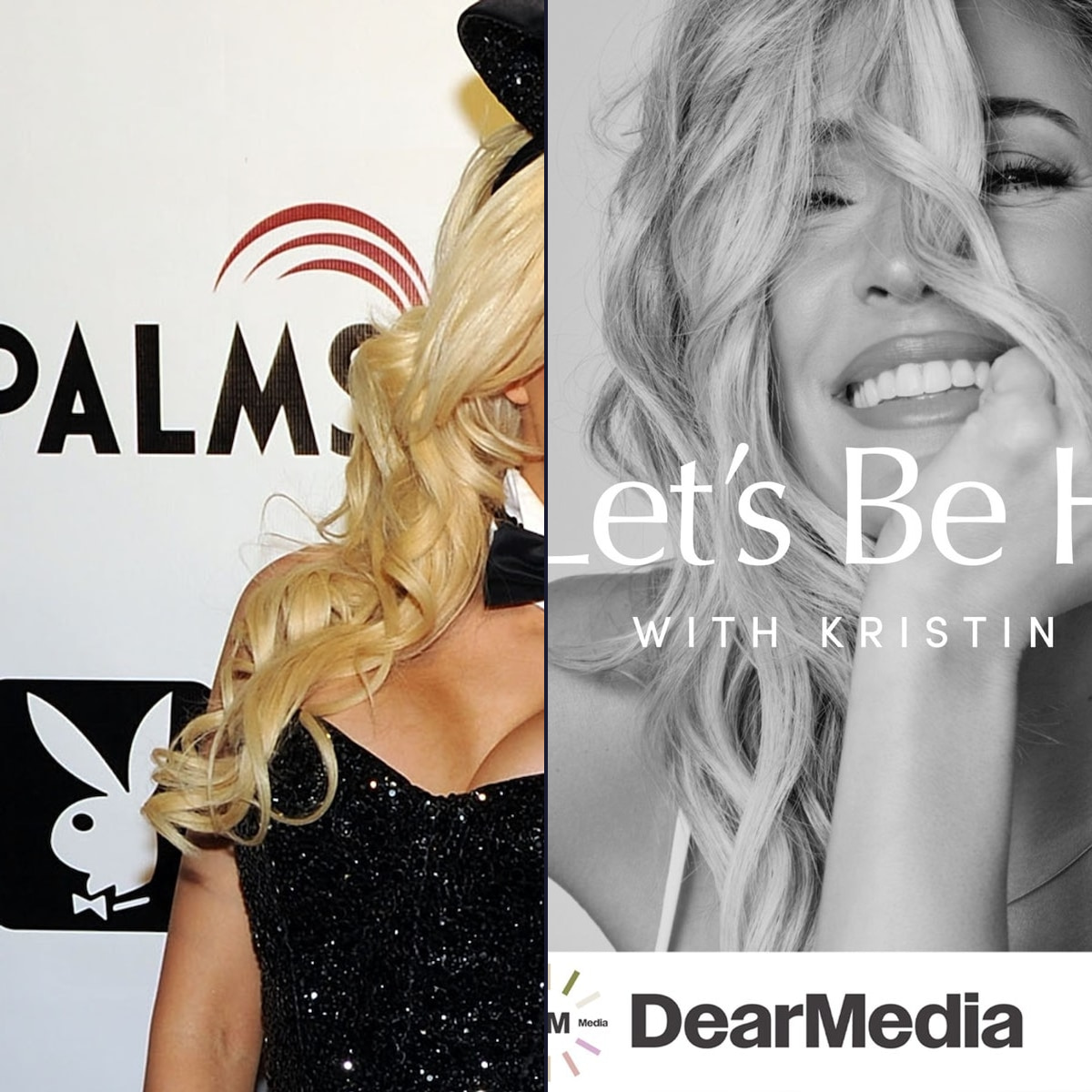
The Entertainment Weekly article focuses on Madison’s appearance on Kristin Cavallari’s Let’s Be Honest podcast, where she described sexual expectations during her relationship with Hugh Hefner as uncomfortable and emotionally strange. The details are personal, but the larger issue is about power dynamics, celebrity branding and how former reality-TV stars are reframing stories that were once presented as entertainment.
What happened
Entertainment Weekly reported on 8 May 2026 that Holly Madison discussed her past relationship with Hugh Hefner during an appearance on Let’s Be Honest with Kristin Cavallari. The podcast episode, titled “Trapped Inside The Playboy Mansion with Holly Madison,” was published on 5 May 2026.
Madison, who was one of Hefner’s girlfriends and appeared on The Girls Next Door, described the group sexual expectations at the Playboy Mansion as an unpleasant and uncomfortable part of the environment. Entertainment Weekly reported that she said the women involved did not enjoy the situation and tried to get through it quickly.
The article also revisited Madison’s claim that the group encounters became less central after The Girls Next Door became popular in 2005. In Madison’s view, the reality show gave Hefner and the Playboy brand a different form of relevance.
Madison also discussed her relationship with former co-star Kendra Wilkinson and her ongoing work with Bridget Marquardt on the Girls Next Level podcast, where they revisit their experiences connected to The Girls Next Door.
The bigger picture
The story matters because Playboy spent decades selling a fantasy of glamour, freedom and access. Madison’s comments, like several of her earlier public statements, challenge that image by focusing on the emotional reality of living inside a highly controlled celebrity environment.
Madison has been speaking about this period for years. People reported in 2025 that she discussed similar discomfort on another podcast, and her 2015 memoir Down the Rabbit Hole also criticized her experience inside the Playboy Mansion. The new interview is not a completely new allegation, but it adds another public retelling to a growing body of firsthand accounts.
There is also a media-history angle. The Girls Next Door turned life at the mansion into mainstream reality entertainment. Viewers saw friendship, parties and celebrity access. Former participants have since described a more complicated environment shaped by fame, dependency, appearance expectations and unequal power.
Hefner died in 2017, so he cannot respond to Madison’s latest comments. Some former Playboy figures have defended him in the past, while others have spoken critically about the culture around the mansion. That makes careful wording important: Madison’s account is her firsthand perspective, not a court finding.
Why this may be happening
One reason this story keeps returning is that audiences are reexamining early-2000s celebrity culture. Reality TV, tabloid media and male-centered entertainment brands often rewarded images that looked empowering on screen while hiding the pressures behind them.
Another reason is that former participants now have direct platforms. Podcasts, memoirs and documentaries let people revisit stories that were once shaped mainly by producers, publicists and entertainment outlets. Madison and Marquardt’s Girls Next Level podcast is part of that shift.
The story also reflects broader public attention to consent and workplace-like power dynamics. Even when adults are involved, questions can remain about pressure, status, money, housing, career opportunities and the ability to say no without consequences.
That does not mean every former Playboy participant describes the experience the same way. Some have defended Hefner or remembered parts of the environment differently. The public record includes competing memories, which is common when a powerful cultural brand is reassessed years later.
What it means
For Madison, the interview reinforces her role as one of the most visible former Playboy figures challenging the old mansion narrative. Her comments continue the shift from “behind-the-scenes celebrity gossip” to a broader discussion about how entertainment brands use young women’s lives and bodies.
For the Playboy legacy, the repeated accounts make it harder to separate the brand’s public fantasy from former participants’ later descriptions of control and discomfort. Even without new legal action, reputational reassessment can reshape how audiences understand the brand.
For media consumers, the story is a reminder that reality TV is not neutral documentation. Shows are edited, branded and sold. What appears playful or aspirational on screen may not reflect the full experience of the people involved.
For entertainment journalism, the challenge is to report the comments without turning them into voyeuristic content. The important issue is not the explicit detail. It is the power structure Madison says surrounded those experiences.
What is still unclear
- The full context of private events at the Playboy Mansion cannot be independently reconstructed from one interview.
- Hefner is deceased and cannot respond to Madison’s latest comments.
- Different former Playboy figures have offered different accounts of the mansion culture.
- It is unclear how much the public’s view of Playboy will continue to shift as more former participants speak.
- Madison’s comments describe her experience, but they do not by themselves establish a legal finding about Hefner or Playboy.
Final takeaway
Holly Madison’s latest interview is not just another celebrity confession. It is part of a longer reassessment of the Playboy Mansion, early reality TV and the way pop culture packaged unequal power dynamics as glamour.
The central point is simple: the fantasy sold to viewers and readers was not necessarily the experience lived by the people inside it. Madison’s comments keep that gap in public view.
Sources / references
- Entertainment Weekly: Holly Madison breaks down “weird” group sex with Hugh Hefner.
- Apple Podcasts: Let’s Be Honest with Kristin Cavallari, “Trapped Inside The Playboy Mansion with Holly Madison.”
- E! News: Holly Madison on group sex with Hugh Hefner in the Playboy Mansion.
- People: Holly Madison details past group-sex experiences with Hugh Hefner at the Playboy Mansion.
- Apple Podcasts: Girls Next Level podcast description.
- Business Insider: Former Playboy employees and Playmates defended Hugh Hefner after Secrets of Playboy allegations.
- E! News: Former Playboy employees defended Hugh Hefner amid misconduct allegations.