A short pause in the Russia-Ukraine war briefly raised hopes for a diplomatic opening. Ukrainian President Volodymyr Zelenskiy confirmed that a three-day ceasefire had been arranged for May 9, 10 and 11, alongside a planned exchange of 1,000 prisoners of war by each side.
The move mattered because prisoner exchanges are among the few areas where Kyiv and Moscow can still sometimes reach practical agreements. But the ceasefire was limited, politically sensitive and quickly overshadowed by renewed fighting, making it a humanitarian step rather than a clear sign of peace.
What happened
Reuters reported on May 8, 2026, that Zelenskiy confirmed a three-day ceasefire with Russia as part of U.S.-mediated efforts to negotiate an end to the war. He also said Ukraine had received Russia’s agreement to conduct a 1,000-for-1,000 prisoner exchange.
The Associated Press reported that U.S. President Donald Trump said the leaders of Russia and Ukraine had agreed to his request for the ceasefire and prisoner exchange. Trump said the pause would run from May 9 through May 11 and would include a suspension of kinetic activity.
Reuters later reported that on May 15, Russia and Ukraine exchanged 205 prisoners of war each. Zelenskiy described that exchange as the first step in the larger planned swap.
The bigger picture
The ceasefire came more than four years after Russia’s full-scale invasion of Ukraine in February 2022. It also coincided with Russia’s Victory Day period, a highly symbolic moment in Moscow’s political calendar.
Short ceasefires in this war have often been difficult to maintain. Reuters reported that both Kyiv and Moscow had accused each other of violating separate ceasefire declarations earlier that same week. AP also reported that the May 9-11 pause had little impact on the wider trajectory of the war.
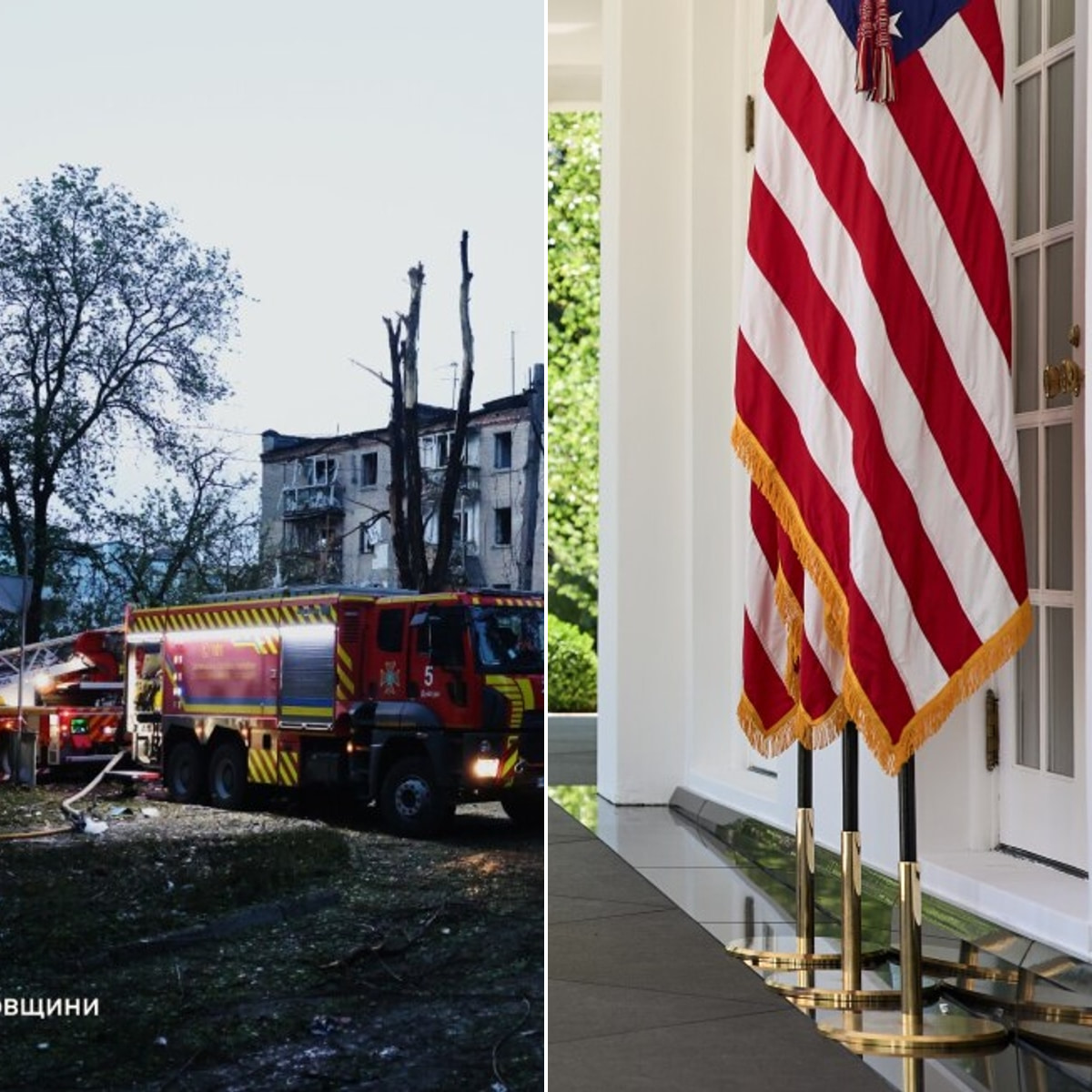
After the pause, fighting continued. Reuters reported on May 18 that Russia struck Odesa and Dnipro with missiles and drones, while Russian officials reported Ukrainian drone strikes in Belgorod. AP reported that Russian long-range attacks had intensified after the ceasefire period.
Why this may be happening
One likely reason for the agreement is humanitarian pressure. Prisoners of war remain a major domestic and moral issue for both countries, and exchanges can produce visible results even when broader peace talks fail.
Another possible reason is diplomacy. The United States appears to have pushed for a narrow deal that both sides could accept without making broader territorial or security concessions. A temporary pause is easier to agree than a full settlement.
The timing may also have mattered. Russia’s Victory Day period created a political reason for Moscow to seek a short battlefield pause, while Ukraine had an incentive to secure the return of captured personnel.
What it means
The prisoner exchange is important for the people released and their families. It also shows that communication channels between the sides still exist, even during heavy fighting.
However, the agreement should not be overstated. A three-day ceasefire is not the same as a peace deal, and a prisoner swap does not resolve the core issues of territory, security guarantees, accountability, sanctions or Ukraine’s long-term sovereignty.
The follow-up attacks suggest that both sides remain willing and able to continue the war while discussing limited humanitarian arrangements. That makes the agreement meaningful but narrow.
What is still unclear
- Whether the full planned 1,000-for-1,000 prisoner exchange will be completed.
- Whether the temporary ceasefire produced any lasting military restraint.
- Whether U.S. mediation can turn narrow humanitarian deals into broader negotiations.
- Whether either side is prepared to make the larger concessions needed for a durable settlement.
- How many alleged ceasefire violations occurred and who was responsible for each incident.
Final takeaway
The ceasefire and prisoner exchange were a real diplomatic and humanitarian development, but not a confirmed turning point in the war. The clearest result so far is the release of some prisoners. The larger peace question remains unresolved, especially as missile and drone attacks continued soon after the pause.
Sources / references
- Reuters — Ukraine’s Zelenskiy confirms U.S. announcement of ceasefire, prisoner exchange.
- Associated Press — Trump says Russia and Ukraine agreed to a three-day ceasefire and prisoner swap.
- Reuters — Trump hopes for extension to agreed three-day Ukraine-Russia ceasefire.
- Reuters — Russia and Ukraine swap 205 prisoners of war each.
- Reuters and Associated Press follow-up coverage on renewed missile and drone attacks after the ceasefire period.